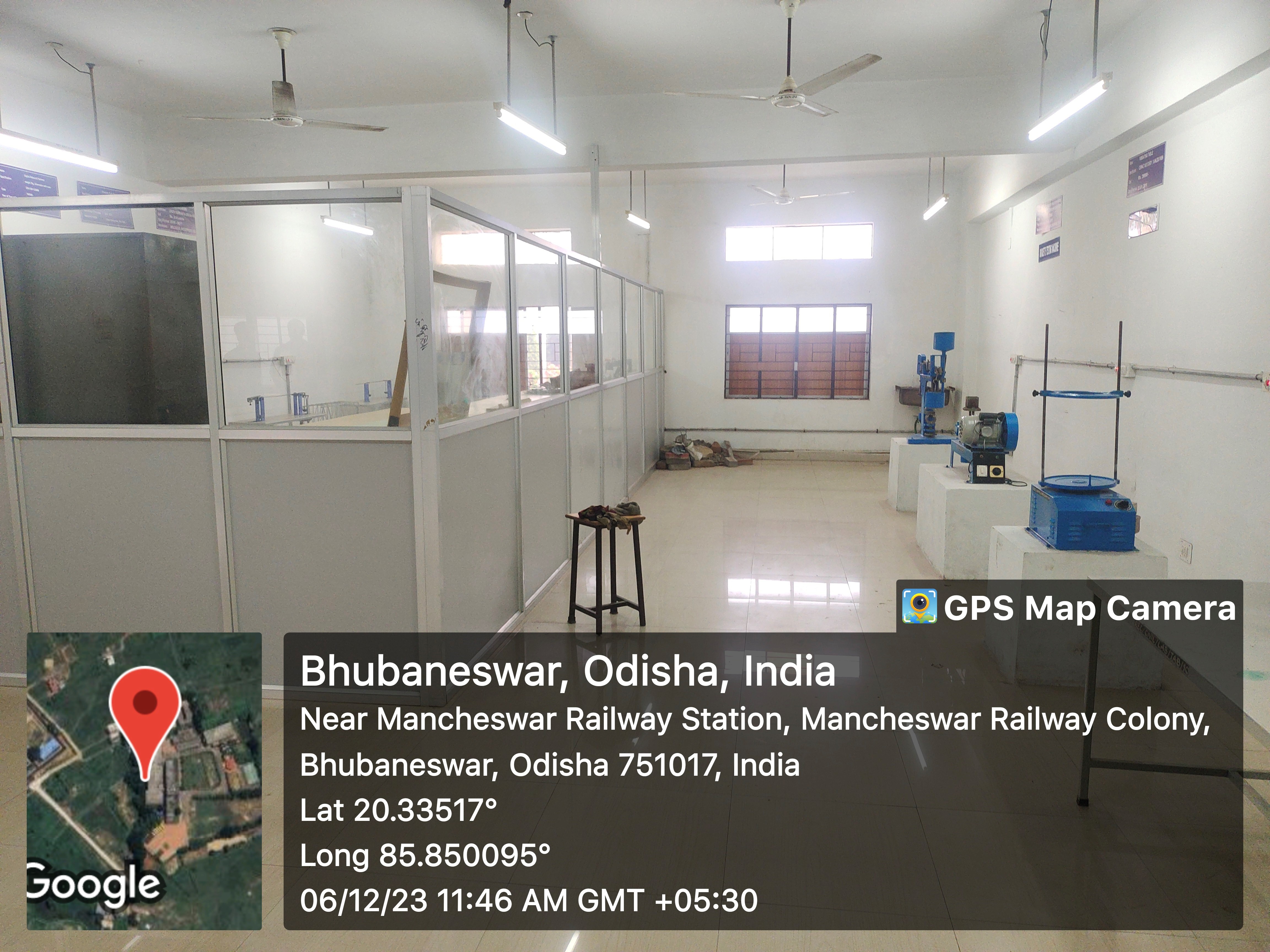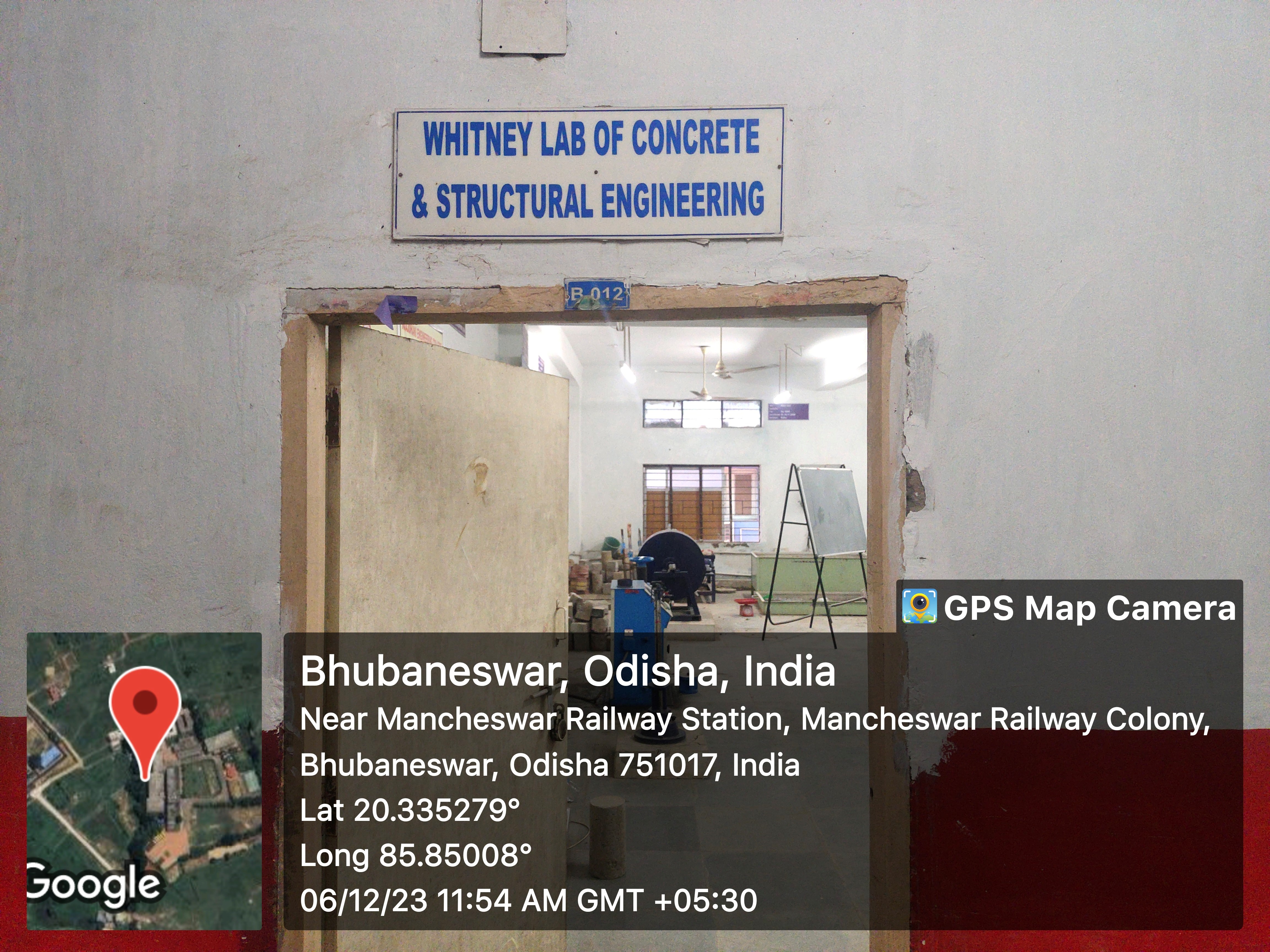

A structural engineering lab serves as a crucial hub for research and experimentation within the realm of civil engineering. Equipped with cutting-edge technology and specialized equipment, these facilities enable engineers and researchers to conduct a wide range of tests to understand and optimize the behavior of structural materials and systems. From evaluating the mechanical properties of construction materials such as concrete, steel, wood, and composites to studying the response of structural elements like cubes, beams, columns, and slabs under various loading conditions, structural engineering labs provide invaluable insights into the performance and durability of structures. The Whitney Lab of Concrete and Structural Engineering lab of REC is equipped with various types of machines and instruments, such as CTM (Compression Testing Machine), Aggregate Impact Machine, Los Angeles Abrasion testing Machine, Sieve Shaker, Briquette Tensile Testing Machine, and concrete mixer, etc.
A structural engineering lab serves as a crucial hub for research and experimentation within the realm of civil engineering. Equipped with cutting-edge technology and specialized equipment, these facilities enable engineers and researchers to conduct a wide range of tests to understand and optimize the behavior of structural materials and systems. From evaluating the mechanical properties of construction materials such as concrete, steel, wood, and composites to studying the response of structural elements like cubes, beams, columns, and slabs under various loading conditions, structural engineering labs provide invaluable insights into the performance and durability of structures. The Whitney Lab of Concrete and Structural Engineering lab of REC is equipped with various types of machines and instruments, such as CTM (Compression Testing Machine), Aggregate Impact Machine, Los Angeles Abrasion testing Machine, Sieve Shaker, Briquette Tensile Testing Machine, and concrete mixer, etc.
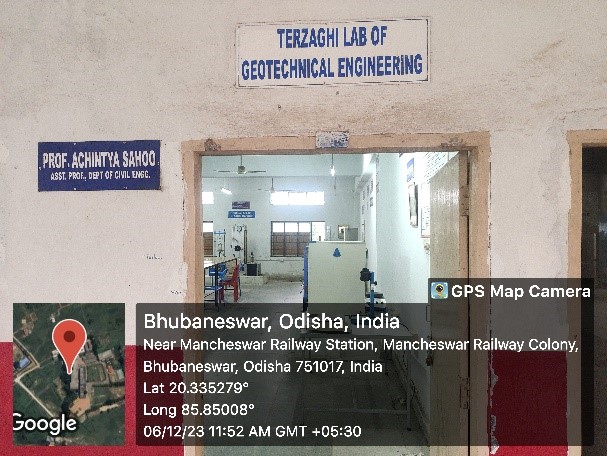
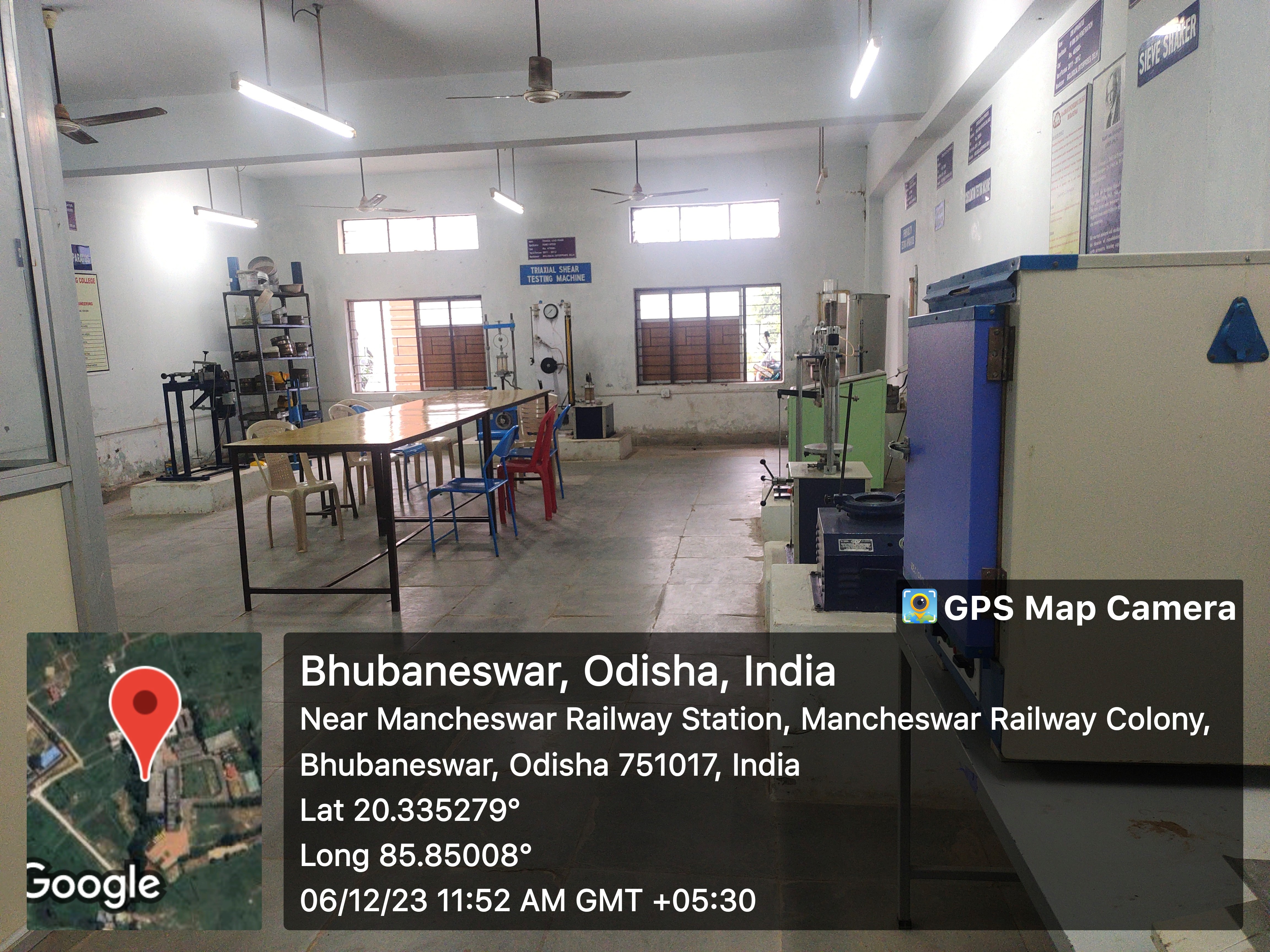
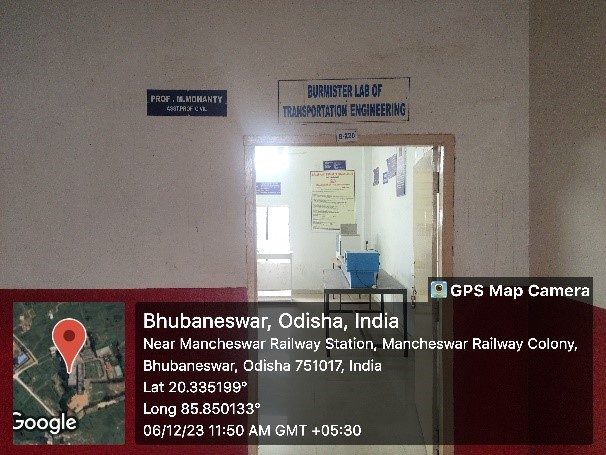
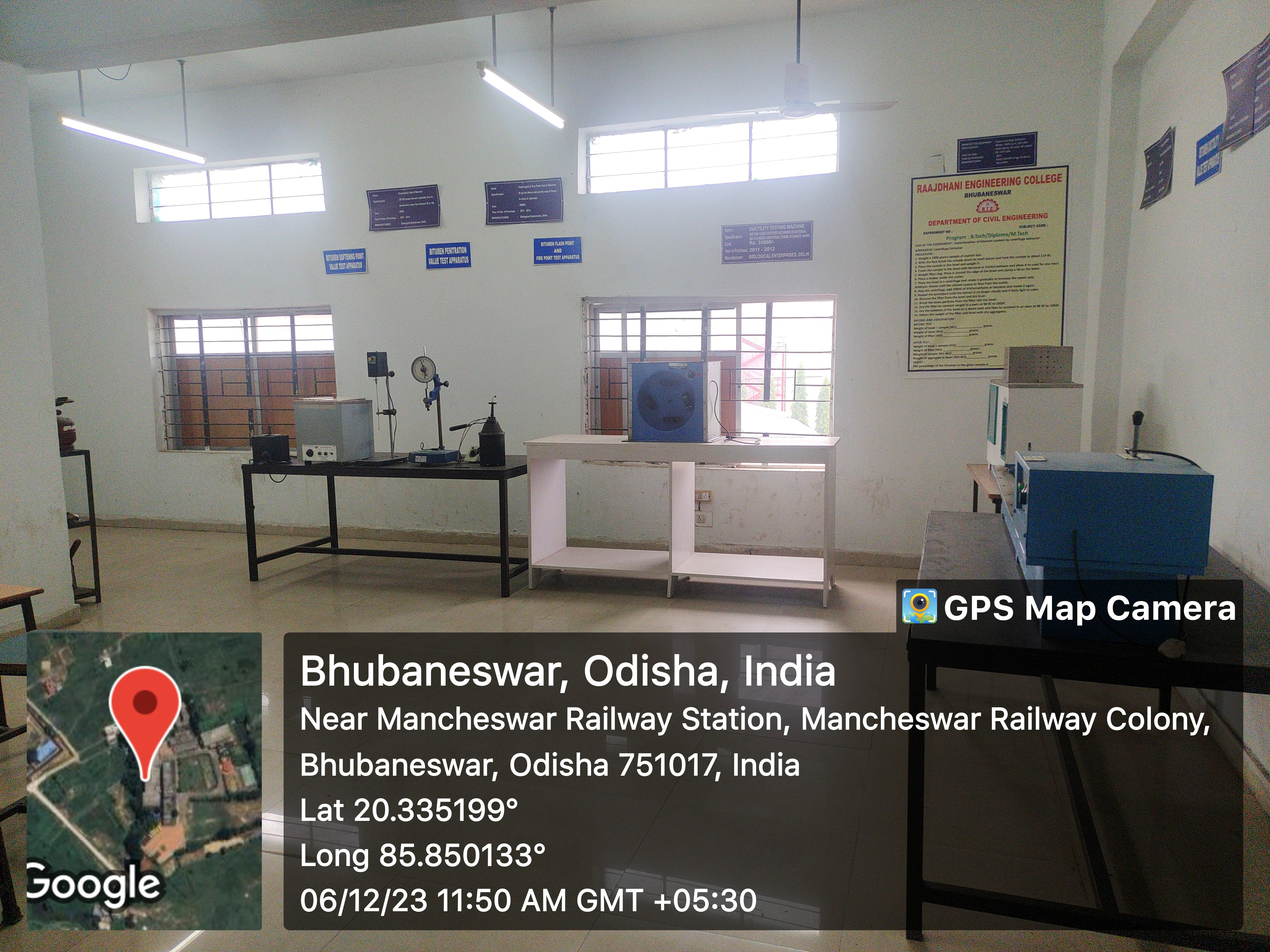
The Burmister Lab of Transportation Engineering, situated within the Civil Engineering Department at REC, BBSR, is a pivotal hub for exploring the intricacies of transportation materials and processes. Equipped with essential instruments such as the Film Stripping Device, Ductility Testing Machine, and Viscosity Test apparatus for bitumen, students delve into the properties and behavior of transportation materials. The Film Stripping Device assesses the adhesion between asphalt and aggregates, crucial for pavement durability. The Ductility Testing Machine measures the elongation properties of bitumen, vital for understanding its flexibility and resistance to cracking. Viscosity tests of bitumen help in evaluating its flow characteristics, essential for proper road construction. Through experimentation in this lab, students gain practical insights into material testing methodologies, enhancing their understanding of transportation engineering principles and preparing them for real-world applications in infrastructure development.
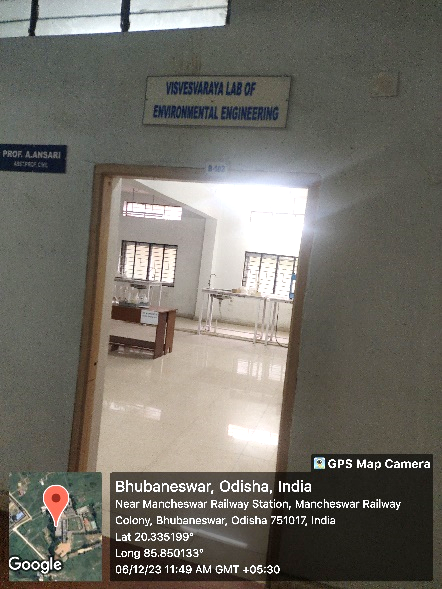
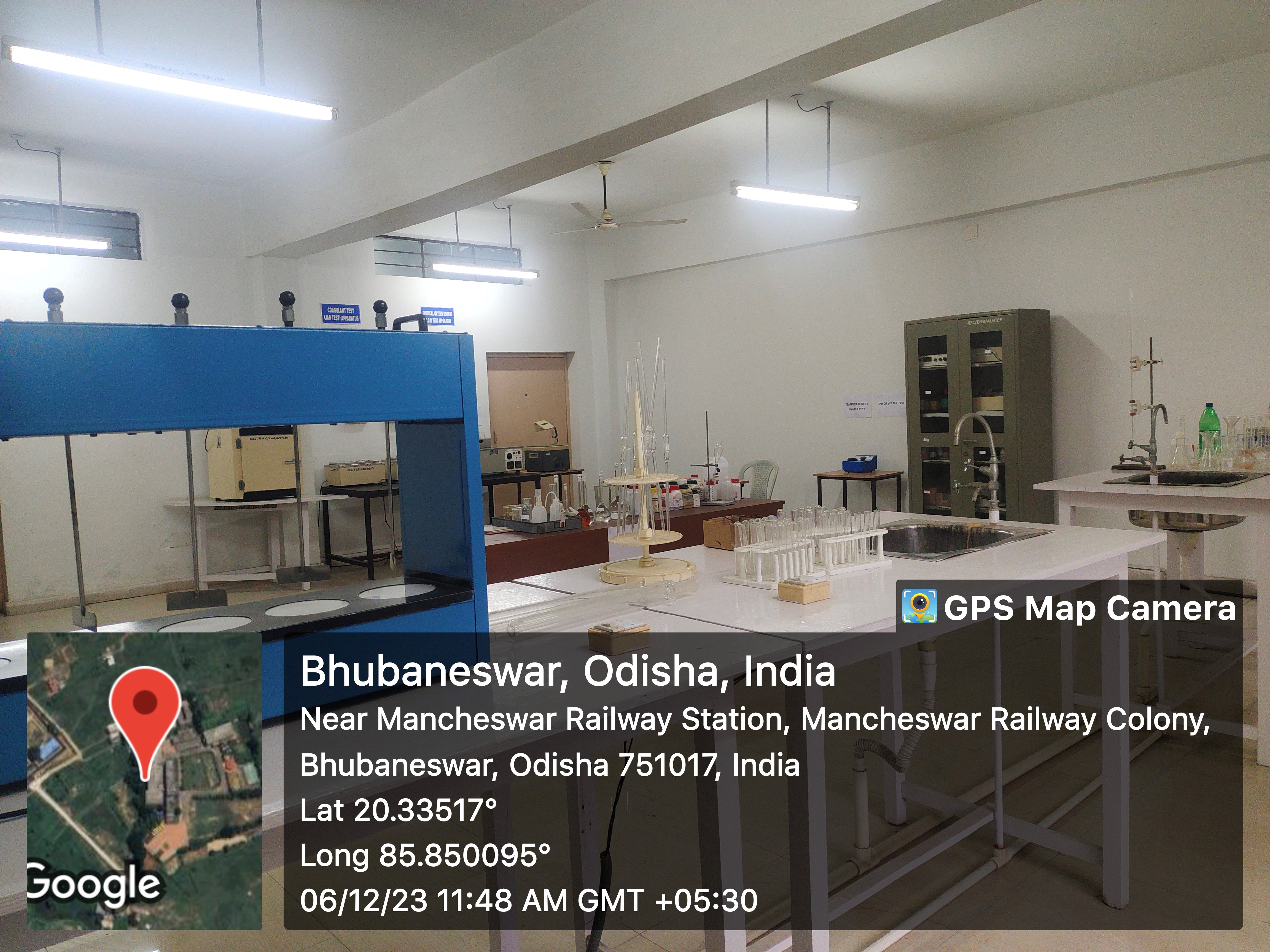
Visvesvaraya Lab of Environmental Engineering is a specialized facility where students delve into the complexities of environmental systems using advanced instruments like the Spectrophotometer, COD Digestion apparatus, and Jar Apparatus. These tools enable analysis of air and water quality, soil contamination levels, and the efficiency of pollution control measures. The Spectrophotometer aids in quantifying pollutant concentrations, while the COD Digestion setup facilitates the assessment of organic pollutant levels. The Jar Apparatus is utilized for water quality tests and assessing treatment effectiveness. Through hands-on experimentation with these instruments, students gain practical insights into environmental monitoring and management. This immersive learning experience equips them with the skills needed to devise sustainable solutions for addressing environmental challenges and ensuring a healthier planet.
The Bhaskaracharya Surveying Lab, housed within the Department of Civil Engineering at REC, BBSR, is a cornerstone for practical learning in surveying techniques. Equipped with advanced instruments like Total Station, Theodolite, Dumpy Level, and Prismatic Compass, students gain hands-on experience in land measurement, angle measurement, and orientation determination. The Total Station facilitates accurate distance and angle measurements for topographic mapping and construction layout. The Theodolite ensures precise angle measurements for boundary surveys and alignment assessments. The Dumpy Level aids in establishing horizontal sight lines for grading and leveling tasks. The Prismatic Compass enables orientation and direction finding. Through practical exercises in this lab, students develop essential skills for surveying land, designing infrastructure, and executing construction projects with precision and efficiency.
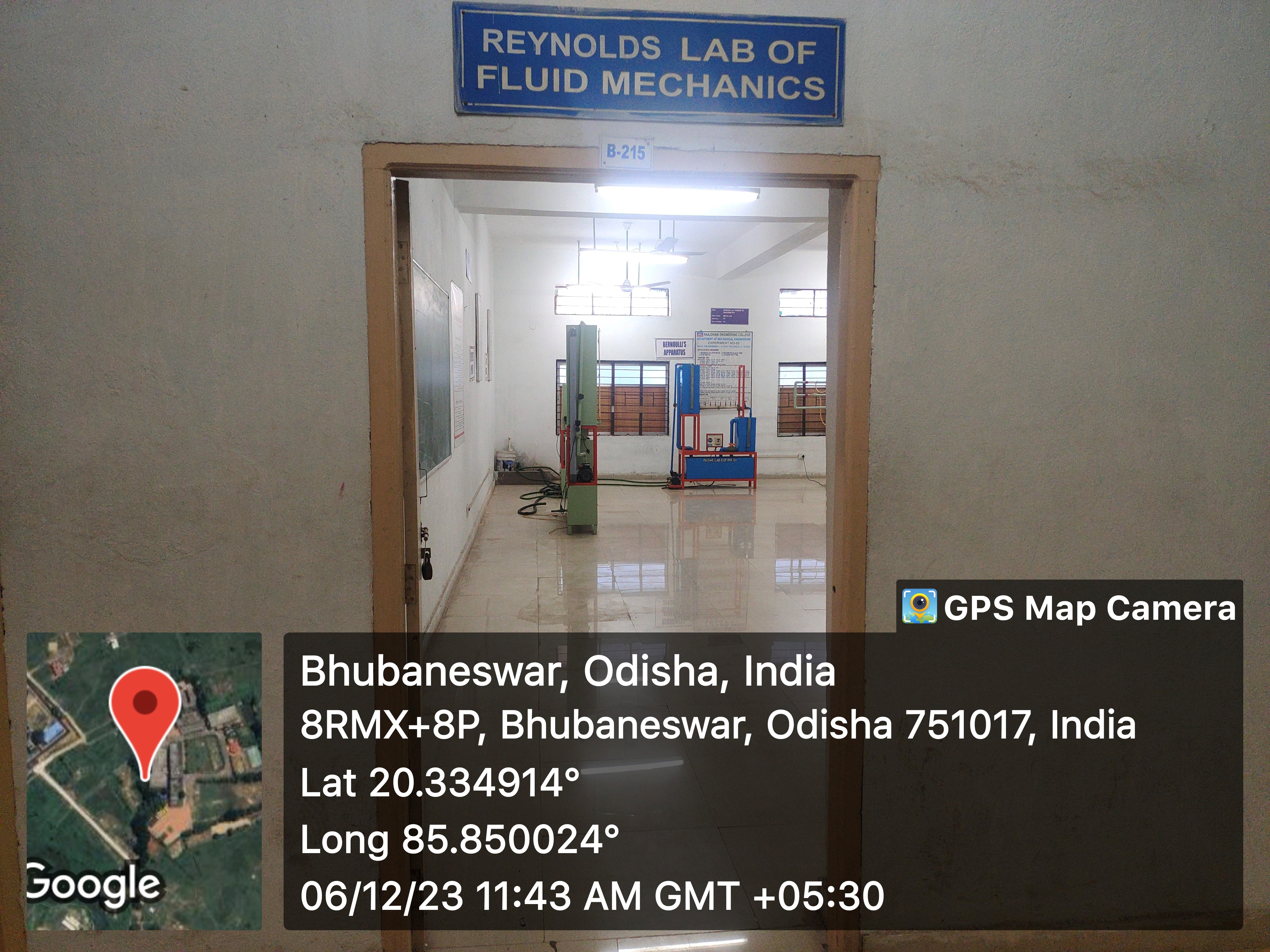
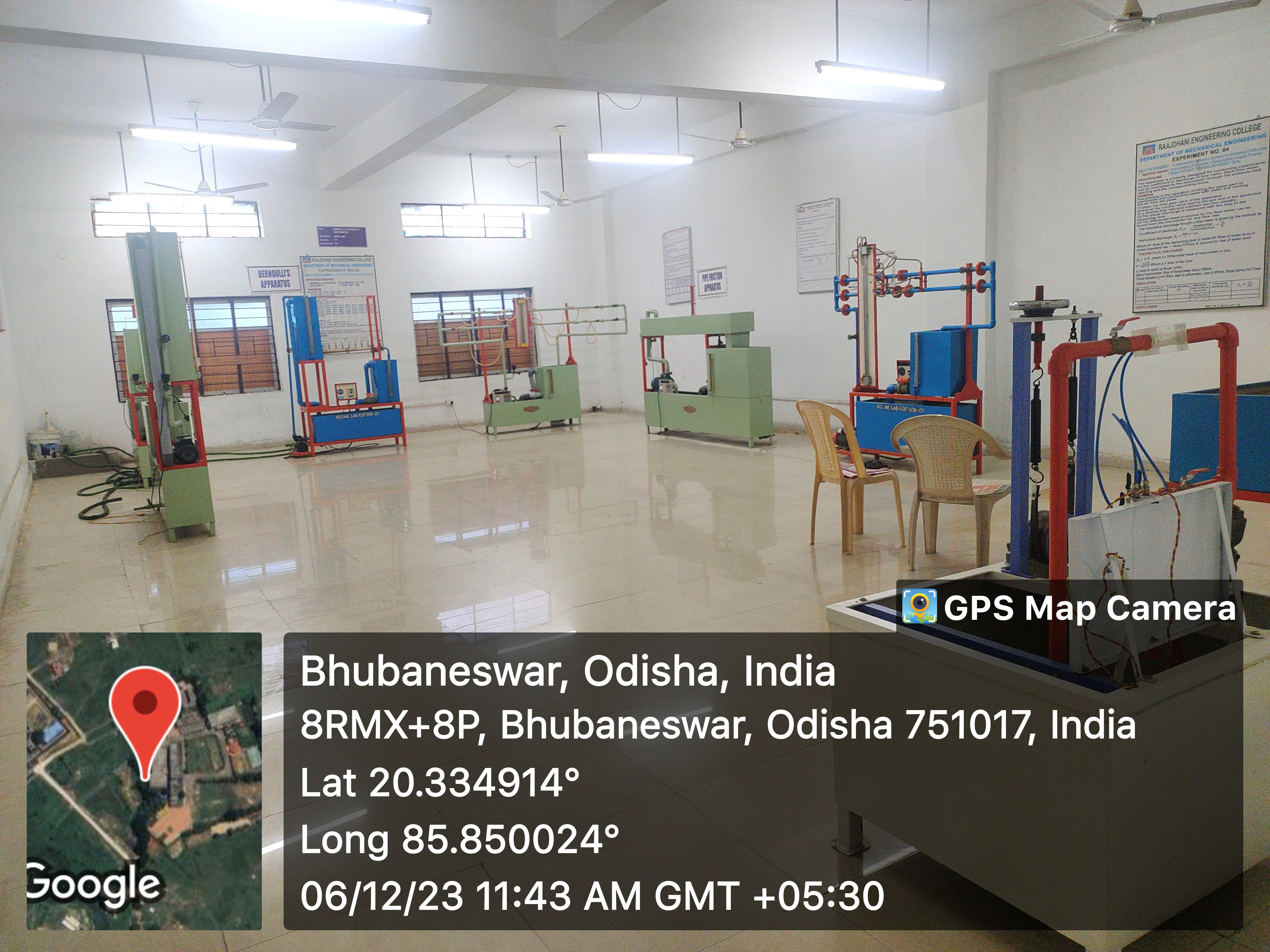
The Reynolds Fluid Mechanics Lab at REC, BBSR is a pivotal facility within the Civil Engineering Department, designed to offer practical insights into fluid dynamics. Equipped with a range of instruments including Hydraulic Motor Testing setups, Double-acting Hydraulic Cylinders, Pipe Friction Apparatus, Reynolds Apparatus, and Orifice Meter Apparatus, students engage in hands-on experiments. They use these tools to study fluid flow characteristics, measure flow rates, and analyze hydraulic machinery performance. The Reynolds Apparatus, in particular, allows students to visualize laminar and turbulent flow phenomena, facilitating a deeper understanding of fluid behavior. Through experimentation in this lab, students acquire invaluable skills and knowledge in fluid mechanics, preparing them for real-world applications in various engineering fields such as transportation, environmental, and hydraulic engineering.
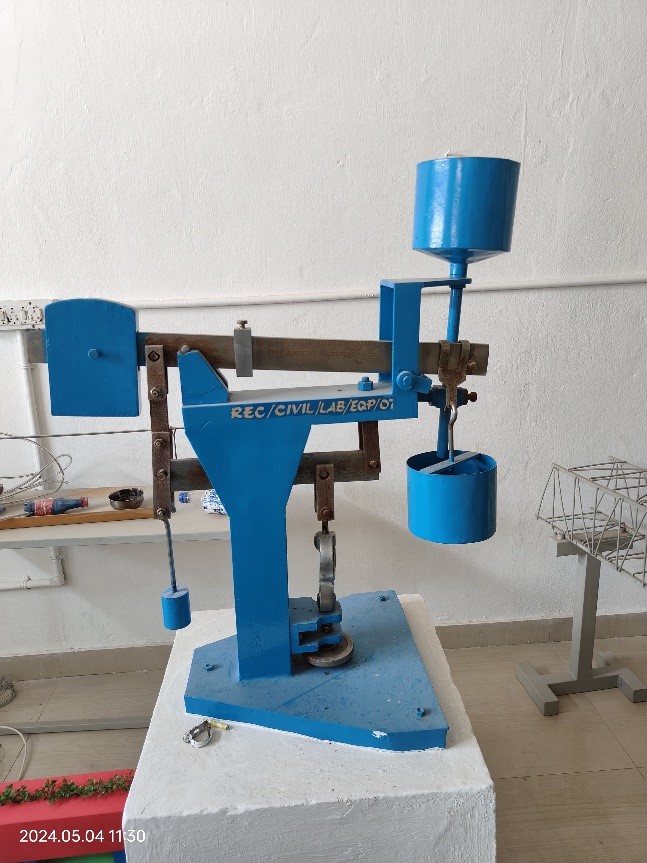
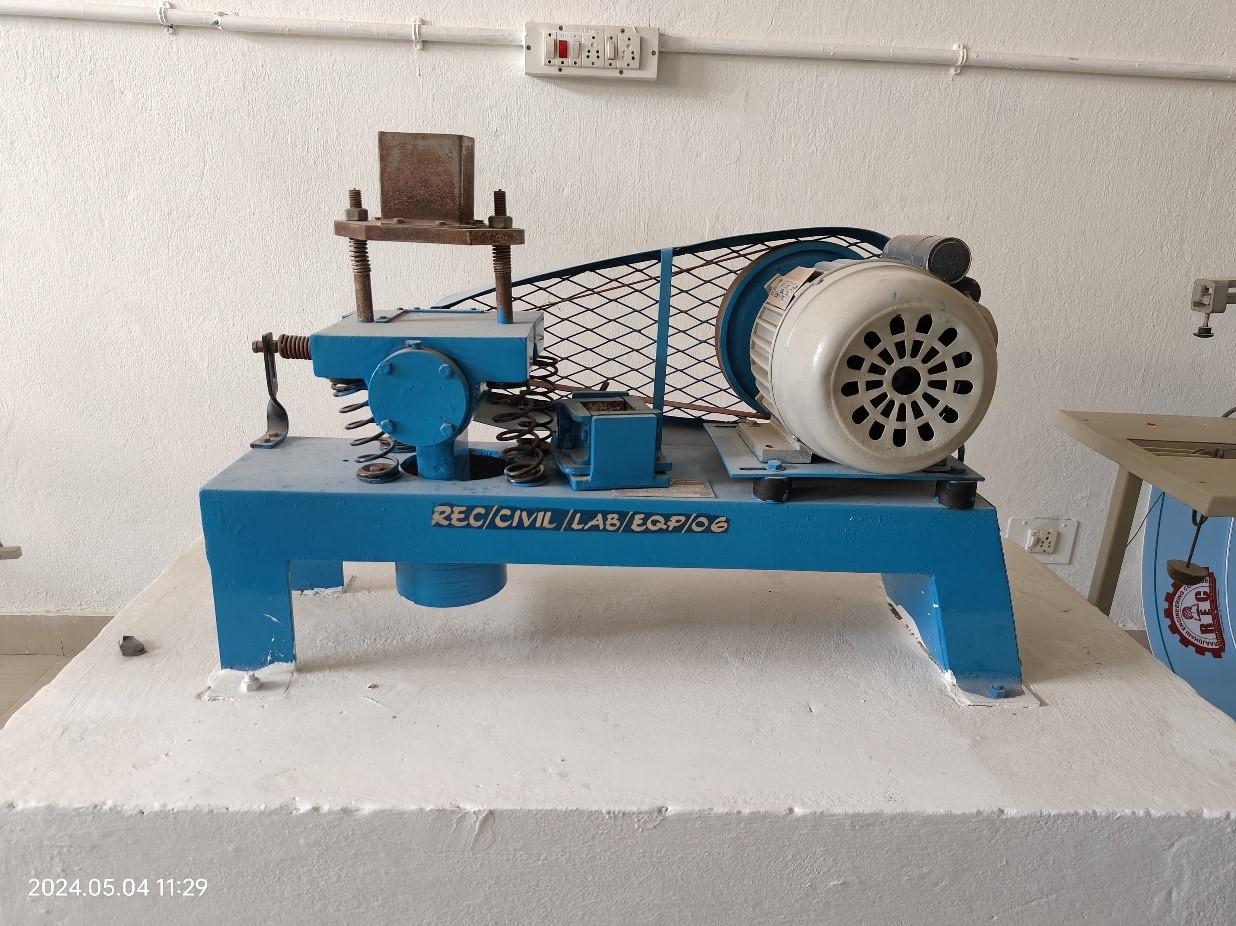
The Material Testing Lab at REC, BBSR (Raajdhani Engineering College, Bhubaneswar) is a crucial facility aimed at providing students with practical hands-on experience in analyzing and understanding the properties of various construction materials. Equipped with state-of-the-art apparatus, including a Briquette Tensile Testing Machine, concrete cube vibrating machine, sieve shaker, and more, this lab serves as a cornerstone for civil engineering students' education and research endeavors. One of the key pieces of equipment in the lab is the Briquette Tensile Testing Machine. This machine allows students to assess the tensile strength of briquettes made from materials like concrete and soil. Additionally, the sieve shaker plays a crucial role in analyzing the particle size distribution of granular materials like soil and aggregates. By subjecting samples to mechanical agitation via the sieve shaker, students can separate particles of different sizes, allowing them to determine the gradation and composition of the material accurately. This information is essential for various engineering applications, including soil classification, pavement design, and aggregate selection in concrete mixtures.
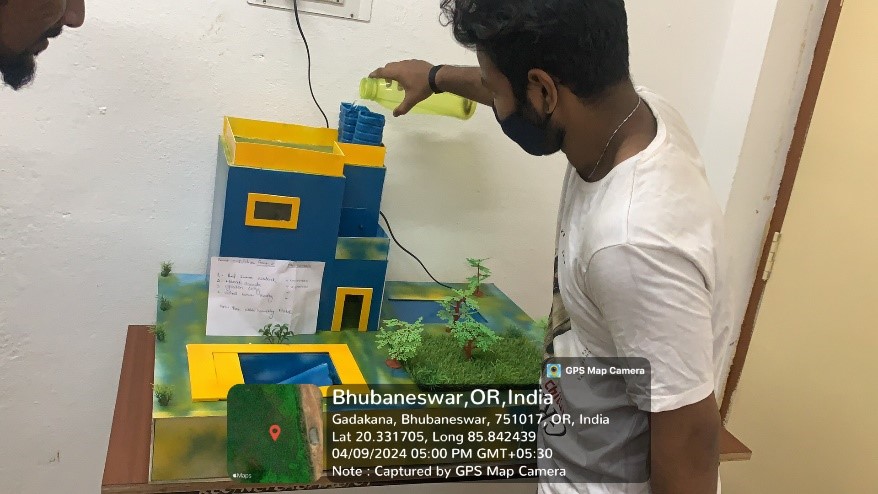
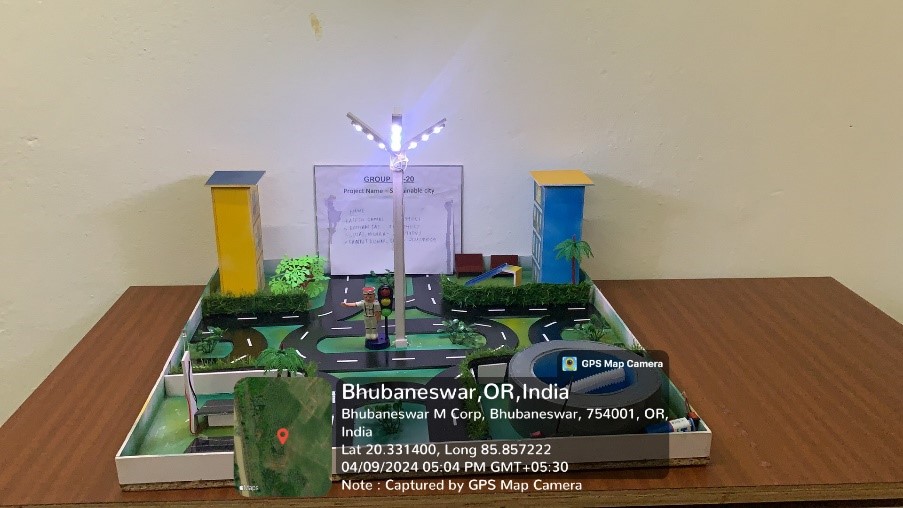
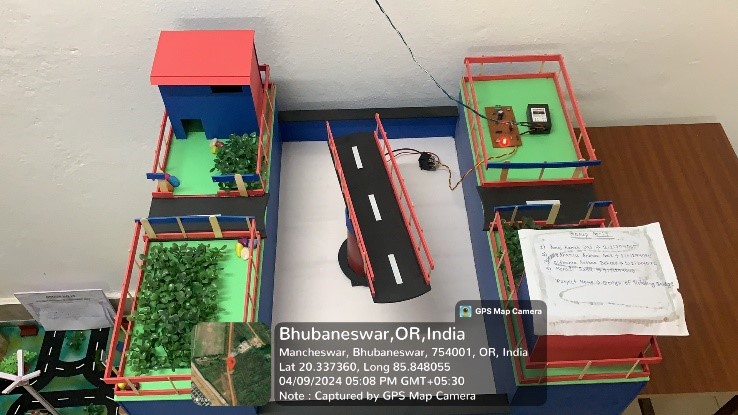
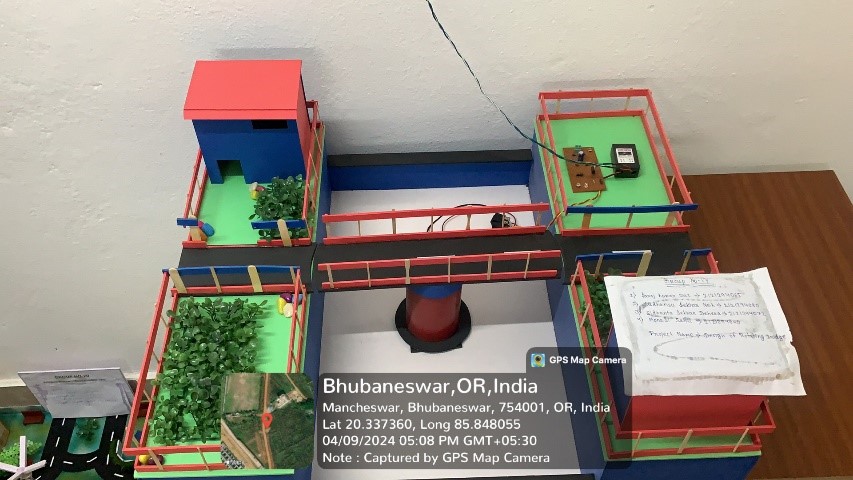
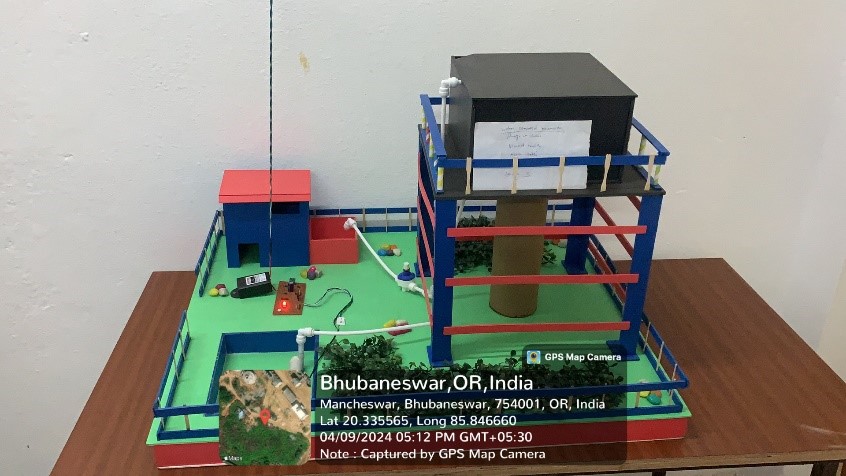
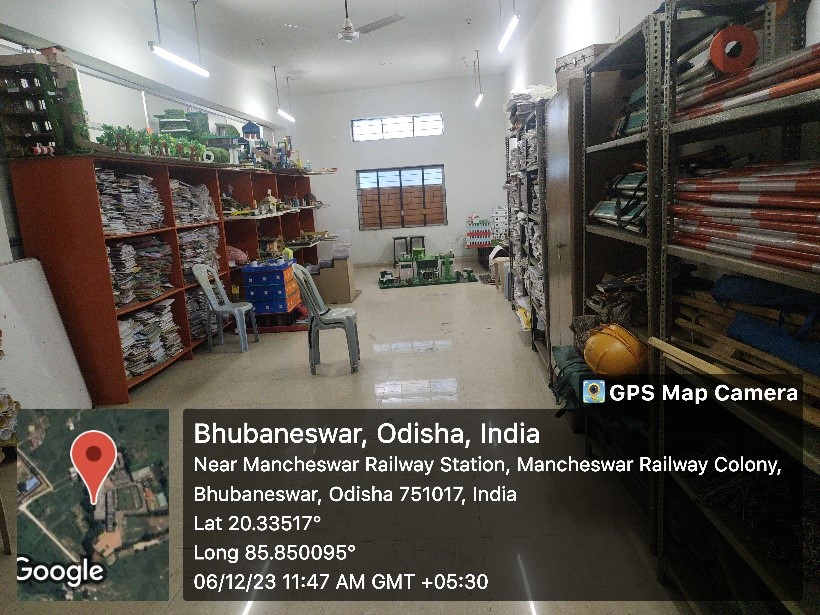
The Research Lab serves as the focal point for research activities conducted by the faculty members of the Civil Department. It houses a diverse array of B.Tech and Diploma projects, showcasing the culmination of research efforts undertaken by both faculty members and their guided students. This dynamic hub reflects the collective expertise and innovation of the department, offering a platform for the exploration of cutting-edge ideas and the development of practical solutions to complex challenges in civil engineering. Through collaboration and experimentation within this lab, faculty members and students contribute to the advancement of knowledge in the field, paving the way for transformative discoveries and impactful contributions to society. Various working models are shown below.